
Why Your Choice of Organic Fabric Sofa Cleaner Matters for Wool and Velvet
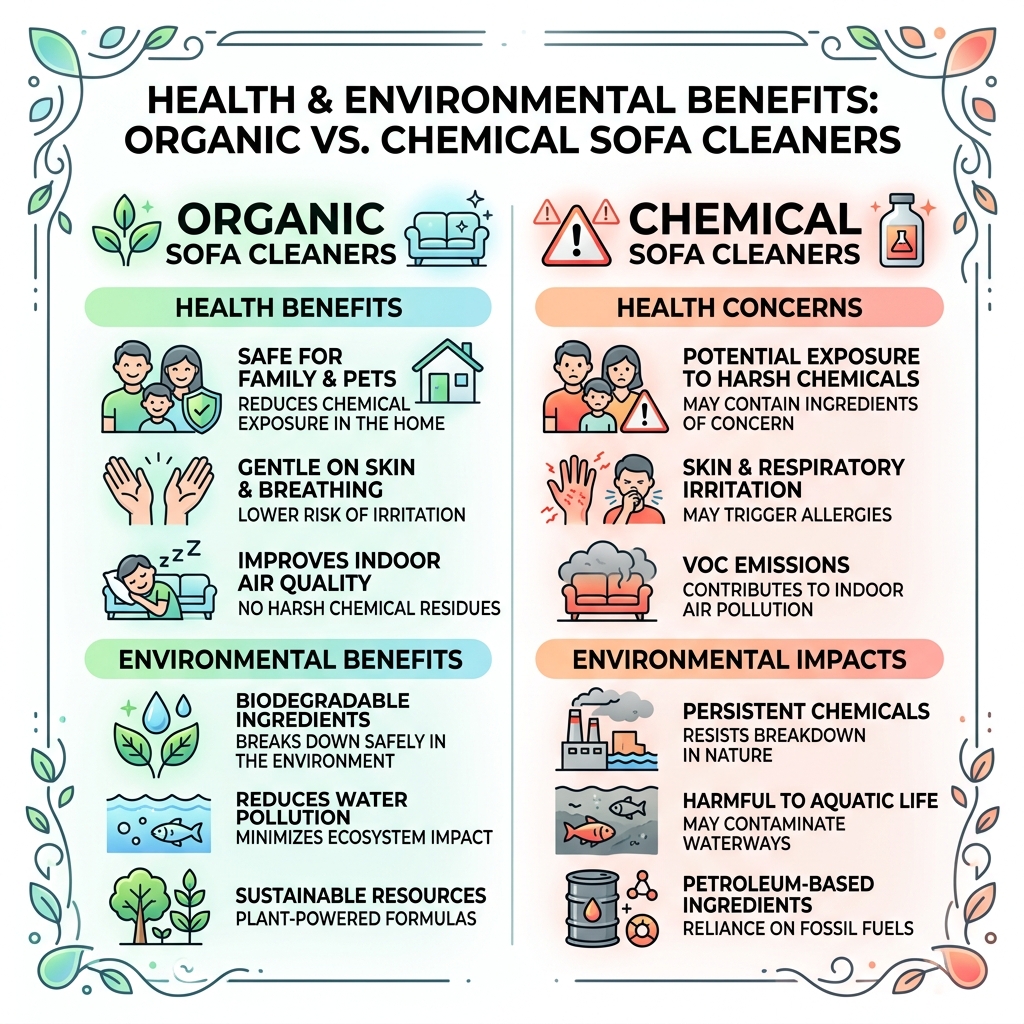
An organic fabric sofa cleaner is the safest way to care for delicate upholstery like wool and velvet without risking damage from harsh chemicals. Here are the top options to know about:
Best organic fabric sofa cleaners for wool and velvet:
- Puracy Carpet & Upholstery Shampoo – plant-powered, 92% USDA biobased score, safe for delicate fabrics
- OA Sofa Care Sofa Cushion Cleaner – PFC-free, vegan, gentle on textile fibers
- DIY white vinegar solution – 1 tbsp white vinegar + 2 cups warm water + 1 tsp clear dish soap
- Baking soda paste – ideal for grease and odor removal on sensitive pile fabrics
- EWG A-rated cleaners – independently verified low-hazard formulas (check EWG’s database)
Wool and velvet are two of the most unforgiving fabrics when it comes to cleaning mistakes. The wrong product can crush velvet pile permanently, strip wool’s natural lanolin, or leave sticky residue that attracts even more dirt. And many mainstream upholstery cleaners contain chemicals that score D or F on EWG’s hazard scale — not something you want on a surface your family touches every day.
The good news? Natural and plant-based cleaners can match the performance of petroleum-based products. According to Puracy, their formula — developed by Ph.D. chemists — performs as well as chemical competitors in lab tests, while remaining 100% biodegradable.
I’m marlen, and I’ve spent years researching non-toxic home cleaning solutions, including organic fabric sofa cleaner options for high-value and delicate upholstery fabrics. In this roundup, I’ll walk you through the best verified products and DIY methods so you can clean with confidence.
Decoding Your Sofa’s Cleaning Tag Before Using an Organic Fabric Sofa Cleaner
Before we even think about mixing a solution or grabbing a bottle, we have to look for the “birth certificate” of our sofa. Hidden under a cushion or along the bottom frame is a tiny but mighty cleaning tag. This tag is the manufacturer’s law on how to treat the fabric without causing a disaster.
Ignoring this tag is like putting a silk tie in a heavy-duty washing machine—it won’t end well. Here is how to decode those cryptic letters:
- W (Water-based): You are in luck! This means you can use water-based organic fabric sofa cleaner solutions. Most natural DIY recipes fall into this category.
- S (Solvent-based): Water is the enemy here. These fabrics require “dry” cleaning solvents. Using a standard water-and-vinegar mix could leave permanent water rings or cause the fabric to shrink.
- W/S (Both): This is the “choose your own adventure” of sofa tags. You can use either water-based or solvent-based cleaners. It’s the most versatile but still requires a gentle touch.
- X (Vacuum only): This is the most delicate. No liquids, no solvents—just a gentle vacuum with a brush attachment. For these, we recommend professional help if a stain occurs.
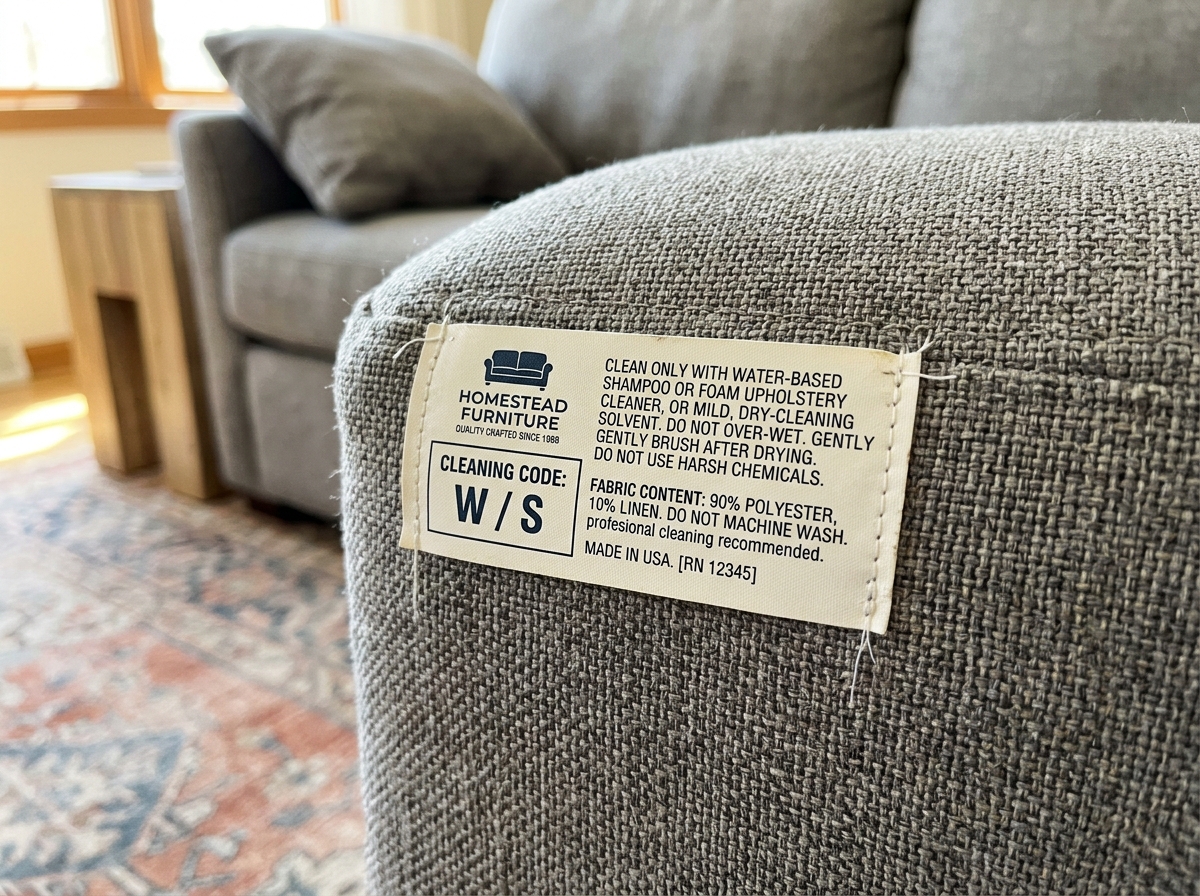
Understanding these codes is the first step toward maintaining fabric integrity. For instance, did you know that cellulosic fibers like cotton and linen can actually become up to 20% stronger when wet? This makes them great candidates for natural wet-cleaning methods. However, velvet and wool require much more specific care to avoid pilling or crushing the fibers.
Even if you have a “W” code, we always insist on a spot test. Apply a small amount of your chosen organic fabric sofa cleaner to a hidden area (like the back of a skirt or inside a cushion zipper) and wait 15 minutes. If the color bleeds or the texture changes, stop immediately. For more detailed advice, check out our eco-friendly upholstery cleaning tips.
Top-Rated Ingredients for a Homemade Organic Cleaning Arsenal
We love a good DIY project, especially when the ingredients are already in our pantry. Making your own organic fabric sofa cleaner isn’t just cheaper; it gives you total control over what touches your skin.
White vinegar is our MVP. Its 5% acetic acid content is powerful enough to break down about 80% of common household stains, like juice splashes or grass stains from the kids. When paired with the right partners, it becomes a cleaning powerhouse.
| Ingredient | Best For | Why It Works |
|---|---|---|
| White Vinegar | General stains & odors | Acetic acid breaks down minerals and grime. |
| Baking Soda | Grease, oil, & smells | Absorbs moisture and neutralizes acidic odors. |
| Castile Soap | Deep soil removal | Plant-based surfactants lift dirt without toxins. |
| Hydrogen Peroxide | Brightening & organic stains | Acts as a natural, mild bleach alternative. |
| Cornstarch | Fresh grease spills | Highly absorbent for oils; lifts them from fibers. |
| Rubbing Alcohol | Ink and marker stains | Acts as a drying agent and solvent for dyes. |
If you are ready to get mixing, you can whip up your own eco-friendly upholstery cleaner using simple ratios. A classic recipe for a “W” coded sofa is 1 cup of distilled water, 1/2 cup of white vinegar, and 1/2 tablespoon of a natural dish soap (like castile soap).
Expert Tip: Always use distilled water for your DIY mixes. Tap water contains minerals like calcium and magnesium that can leave “hard water spots” on your beautiful velvet or wool once the fabric dries.
For those worried about the “salad” smell of vinegar, don’t panic! The scent disappears completely once it dries. You can also add 10-15 drops of essential oils like lemon or lavender to provide a fresh, natural fragrance. To see how these ingredients stack up against commercial standards, you can refer to EWG’s Guide to Healthy Cleaning for Fabric and Upholstery.
Best Commercial Solutions for Wool and Velvet Upholstery
Sometimes, a DIY mix isn’t enough for a heavy-duty mess, or perhaps you just prefer the convenience of a professionally formulated bottle. When shopping for a commercial organic fabric sofa cleaner, we look for specific certifications.
Look for a high USDA biobased score. This indicates the percentage of ingredients derived from renewable biological sources (like plants) rather than petroleum. For example, Puracy’s shampoo boasts a 92% score, making it one of the greenest options on the market. You can even view the safety data scripts for their plant-powered formula to see exactly how they maintain clinical-grade strength without the “bad stuff.”
Another ingredient to look for is zinc ricinoleate. This is a natural mineral-based odor remover that actually traps and neutralizes “funk” molecules rather than just masking them with perfume. This is vital for homes with pets or those of us who enjoy a late-night pizza on the couch.
If you have kids or furry friends, ensuring your cleaner is safe for pets and kids is non-negotiable. Some modern organic cleaners even use nano-silver particles to provide long-lasting antimicrobial protection, or anti-static coatings that prevent dust and pet hair from sticking to the fabric in the first place.
Choosing an Organic Fabric Sofa Cleaner for Delicate Wool
Wool is a living fiber. It contains lanolin, a natural oil that makes the fabric somewhat water-repellent and incredibly durable. If you use a harsh, high-pH chemical cleaner, you will strip that lanolin away, leaving the wool brittle and scratchy.
When cleaning wool, we recommend:
- pH-Neutral Solutions: Wool is sensitive to alkalinity. Stick to cleaners with a pH between 5 and 8.
- Low-Moisture Techniques: Wool can hold a lot of water, which leads to long drying times and potential mildew. Use a foam-based organic fabric sofa cleaner or a very lightly dampened cloth.
- Natural Bristle Brushes: Avoid plastic scrubbers that can fray the wool fibers. A soft horsehair brush is perfect for agitating the cleaner gently.
For more specialized advice on keeping your floor coverings matching your sofa, check out our eco-friendly carpet cleaning tips.
The Best Organic Fabric Sofa Cleaner for Luxury Velvet
Velvet is all about the “pile”—those upright fibers that give it that shimmering, soft texture. If you soak velvet or scrub it too hard, you can “crush” the pile, creating a permanent flat spot that looks like a stain even when it’s clean.
For velvet, the best organic fabric sofa cleaner approach involves:
- Non-Ionic Surfactants: These are gentle, plant-derived cleaners (like decyl glucoside) that lift dirt without leaving a sticky residue.
- Distilled Water Rinsing: As mentioned before, this prevents mineral spotting on the reflective surface of the velvet.
- Gentle Blotting: Never rub velvet. Blot from the outside of a stain toward the center to prevent spreading.
- Pile Restoration: Once the fabric is nearly dry, use a soft, dry brush to “comb” the fibers back into their upright position.
While you are refreshing your living room, don’t forget the frame! We have a guide on safe cleaning for wooden furniture to help you polish those sofa legs naturally.
Step-by-Step Guide to Deep Cleaning Your Sofa Naturally
Deep cleaning a sofa isn’t just about removing that one coffee spill; it’s about removing the “invisible” dirt—skin cells, dust mites, and pet dander—that settles deep into the fibers. Using an organic fabric sofa cleaner ensures that when you sit back down, you aren’t breathing in VOCs (volatile organic compounds).
Step 1: The Foundation (Vacuuming) We cannot stress this enough: vacuuming is 70% of the job. Use a HEPA-filter vacuum with an upholstery attachment. Go over every inch, including under the cushions and in the crevices where crumbs go to die. Weekly vacuuming can reduce soil build-up by 62% and extend the time between deep cleans significantly.
Step 2: Soil Suspension Apply your chosen organic fabric sofa cleaner (either DIY or commercial). Instead of spraying the sofa directly, spray a microfiber cloth until it is damp. This prevents over-wetting. Work in small sections, using gentle circular motions to suspend the soil.
Step 3: Residue-Free Rinsing Even organic soaps can attract dirt if left on the fabric. Take a fresh cloth dampened with only distilled water and “rinse” the area by blotting. This ensures the surface is clean and won’t feel “crunchy” once dry.
Step 4: Drying and Realignment Airflow is your best friend. Open the windows or set up a floor fan to speed up the process. For velvet, this is when you brush the pile. For wool, ensure the cushions are stood up like a “tent” to allow air to circulate on all sides. This prevents the dreaded mildew smell. For a deeper dive, read our eco-friendly furniture cleaning guide.
Frequently Asked Questions about Organic Sofa Cleaning
How often should I deep clean my sofa organically?
For most households, a deep clean every 6 to 12 months is the sweet spot. However, if you have a “high-traffic” home (translation: kids who think the sofa is a trampoline and pets who think it’s a bed), you might want to do it seasonally.
Using natural methods actually helps you stay clean longer. Chemical cleaners often leave a microscopic sticky film that acts like a magnet for new dirt. By using a residue-free organic fabric sofa cleaner, you can often extend the time between professional cleanings from 8 months to nearly 15 months!
Is vinegar safe for all fabric types?
While vinegar is a natural wonder, it is an acid (pH of about 2.4). It is generally safe for most synthetic and natural “W” coded fabrics, but you should be cautious with delicate silks or certain antique fabrics.
Vinegar can occasionally cause “bleeding” in fabrics that aren’t colorfast. This is why the spot test is your best friend. If you’re dealing with a “S” coded fabric, avoid vinegar and all water-based solutions entirely.
How do I remove pet odors without harsh chemicals?
Pet odors are often trapped in the oils from their fur. Baking soda is the ultimate weapon here. Sprinkle it generously over the dry sofa, let it sit for at least an hour (or overnight if the smell is “ruff”), and then vacuum it up.
For tougher accidents, a mixture of vinegar and water can help neutralize the urea in pet urine. If you want a ready-made solution, look for cleaners containing zinc ricinoleate or plant-based enzymes. We have more tips on homemade pet-safe cleaning solutions that won’t irritate your furry friend’s sensitive nose.
Conclusion
At MoneyFinPro, we believe that a clean home shouldn’t come at the cost of your health or the environment. Choosing an organic fabric sofa cleaner is an investment in the longevity of your furniture and the well-being of your family. Whether you are preserving the natural lanolin in your wool sofa or maintaining the royal shimmer of your velvet cushions, the “green way” is often the most effective way.
By sticking to a regular maintenance schedule—weekly vacuuming, immediate blotting of spills, and bi-annual deep cleans—you can keep your sofa looking showroom-new for years to come. Ready to dive deeper into a non-toxic lifestyle? Start your sustainable journey here and discover how simple habits can transform your home into a safe haven.
