
Your Tile Floors Don’t Need Expensive Chemicals to Shine
A homemade tile cleaning solution can clean your floors and grout just as effectively as store-bought products — for less than a dollar per batch.
Here’s a quick overview of the most effective DIY tile cleaning solutions:
| Solution | Best For | Key Ingredients |
|---|---|---|
| Vinegar + water | Ceramic, porcelain | 1/2 cup white vinegar, 1 gallon warm water |
| Baking soda + hydrogen peroxide | Grout | 1/2 cup baking soda, 1/4 cup hydrogen peroxide |
| Rubbing alcohol + dish soap | Sensitive tiles, stone | 1/4 cup rubbing alcohol, 1/2 tsp dish soap, 2 cups water |
| Castile soap + baking soda | Vinyl, linoleum | 3 tsp castile soap, 6 tsp baking soda, 1 cup water |
| Baking soda + vinegar + dish soap | General tile floors | 1/4 cup each baking soda and vinegar, 1 tbsp dish soap, 1 gallon hot water |
Think about this: the cleaning products industry pulled in $1.25 billion in 2020, with the average American family spending around $170 a year on cleaning supplies. That’s a lot of money going toward products that often contain harsh chemicals — chemicals that can wear down grout, irritate skin, and fill your home with fumes.
The good news? Your kitchen cabinet already holds most of what you need to get tile floors sparkling clean.
I’m marlen, and I’ve spent years researching cost-effective, chemical-free home maintenance strategies — including finding the best homemade tile cleaning solution for every surface type. Whether you’re battling dingy bathroom grout or sticky kitchen floors, I’ll walk you through exactly what works.

Why Switch to a Homemade Tile Cleaning Solution?
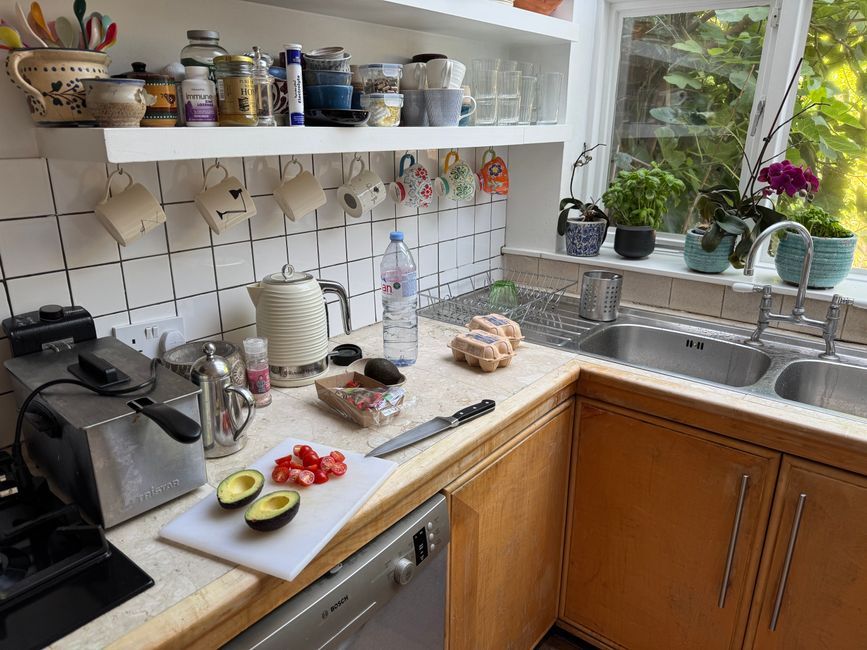
We all want a clean home, but at what cost? When we look at the back of a commercial floor cleaner bottle, the list of ingredients often looks more like a chemistry final exam than something we want near our bare feet. Switching to a homemade tile cleaning solution isn’t just about being “crafty”—it’s a lifestyle upgrade for your health, your home, and your wallet.
First, let’s talk about safety. If you have toddlers crawling on the floor or pets that lick their paws, the residue left by industrial-strength cleaners is a real concern. DIY solutions use food-grade or low-toxicity ingredients like vinegar, baking soda, and lemon juice. They are eco-friendly, non-toxic, and biodegradable.
Second, the cost savings are staggering. While the average family spends over $170 annually on cleaning supplies, a batch of homemade tile floor cleaner costs mere pennies. Most of these ingredients are already in your pantry! If you are just starting out, check out the-novices-guide-to-homemade-tile-floor-cleaner to see how simple the transition can be.
The Power of a Vinegar-Based Homemade Tile Cleaning Solution
White vinegar is the undisputed heavyweight champion of the DIY cleaning world. Its natural acidity makes it a powerhouse for breaking down grease, dissolving hard water deposits, and neutralizing odors.
When we use vinegar, we aren’t just “wetting” the floor; we are using a mild acid to cut through the film that traps dirt. For most ceramic and porcelain tiles, a ratio of 1/2 cup white vinegar to 1 gallon of warm water is the “sweet spot.” It’s strong enough to sanitize but diluted enough to protect your grout. To see why this duo is so famous, read more about how vinegar-and-baking-soda-your-tiles-new-best-friends can transform your cleaning routine.
Storing Your Homemade Tile Cleaning Solution Safely
Once you’ve mixed your perfect potion, you need to store it correctly. We always recommend using glass spray bottles. Why? Because over time, the acetic acid in vinegar can actually eat through certain types of thin plastic, leading to leaks or chemical leaching.
- Label everything: Even though these are natural, you don’t want someone mistaking your floor cleaner for a beverage.
- Essential Oils: Adding 10-20 drops of lemon, tea tree, or eucalyptus oil not only adds a fresh scent but provides extra antibacterial and antifungal properties.
- Shelf Life: Most water-based DIY cleaners should be used within a few weeks, as they lack the synthetic preservatives found in store-bought jugs.
Keeping your solutions in a cool, dark place helps maintain the potency of any essential oils you’ve added.
Top Ingredients and Recipes for Every Tile Type
Not all tiles are created equal. Using a highly acidic homemade tile cleaning solution on a delicate marble floor is a recipe for disaster (and very expensive repairs). We’ve broken down the best ingredients for each surface type:
| Tile Type | Recommended Ingredients | Why It Works |
|---|---|---|
| Ceramic/Porcelain | Vinegar, Dish Soap | Cuts through grease and grime easily. |
| Natural Stone | Rubbing Alcohol, Castile Soap | pH-neutral; won’t etch the stone. |
| Vinyl/Linoleum | Apple Cider Vinegar | Gentle acidity; leaves a streak-free shine. |
| Grout Lines | Hydrogen Peroxide, Baking Soda | Lifts deep-set stains and whitens. |
If you’re dealing with specific blemishes on high-end surfaces, our guide on how-to-remove-stains-from-natural-stone-tile-without-the-stress is a lifesaver.
Safe Options for Natural Stone and Sensitive Surfaces
Natural stones like marble, granite, and slate are “sensitive” because they are composed of calcium carbonate, which reacts violently to acids. This means vinegar and lemon juice are strictly off-limits.
Instead, we use a pH-neutral approach. A mix of 1/4 cup rubbing alcohol, a few drops of mild dish soap, and 2 cups of warm water is perfect. The alcohol helps the solution evaporate quickly, preventing water spots, while the soap lifts dirt without harming the stone’s finish. This is the safest route for any surface you aren’t 100% sure about.
Effective Solutions for Vinyl and Linoleum Floors
Vinyl floors are durable, but they can become dull if you use too much soap, which leaves a sticky residue. For these surfaces, apple cider vinegar is a fantastic choice. It’s slightly gentler than white vinegar and helps restore that “just-installed” glow.
Mix 1/2 cup of apple cider vinegar with a gallon of hot water. Use a damp mop—not a soaking wet one—to prevent water from seeping into the seams. For a deeper dive into these materials, using washing soda can provide extra scrubbing power for tough grime.
How to Clean Grout: The Winning DIY Formula
Dirty grout is the ghost that haunts even the cleanest kitchens. Because grout is porous, it acts like a sponge for mop water, grease, and spilled wine. If your grout looks grey or brown, a simple mop won’t fix it. You need a paste.
After testing various methods, the clear winner is a combination of baking soda and hydrogen peroxide.
The Recipe:
- Mix 1/2 cup baking soda with 1/4 cup hydrogen peroxide.
- Add 1 teaspoon of liquid dish soap.
- Apply the paste to the grout lines and let it sit for at least 5 minutes.
- Scrub with a stiff brush (an old toothbrush works in a pinch) and rinse.
In real-world tests, this specific mixture has proven highly effective, far outperforming vinegar-based attempts. For a complete walkthrough, see our homemade-grout-cleaner-recipe-from-grimy-to-great guide.
Why Baking Soda and Hydrogen Peroxide Perform Best
This duo works through a clever chemical reaction. Hydrogen peroxide is an “oxygen bleach.” When it hits the baking soda, it creates a bubbling action that physically lifts dirt out of the microscopic pores of the grout.
Unlike chlorine bleach, hydrogen peroxide doesn’t have toxic fumes and won’t weaken the grout structure over time. It’s a “smart” cleaner that brightens the surface while sanitizing it. As experts point out, this method is significantly less toxic than store-bought alternatives.
Ingredients to Avoid on Grout and Tile
While we love DIY, some household “staples” can actually do more harm than good.
- Bleach & Ammonia: Never mix these two (it creates toxic gas), and avoid using them on grout as they can cause it to become brittle and crumble.
- Toilet Bowl Cleaners: Some people use these on grout because they are “strong,” but they are often highly acidic and can etch your tiles permanently.
- Steel Wool: This will scratch the protective glaze on your tiles, making them get dirty even faster in the future.
Stick to the easy-peasy-recipes-for-natural-grout-cleaners to keep your surfaces intact.
Step-by-Step Application and Maintenance Tips
Making the homemade tile cleaning solution is only half the battle; how you apply it matters.
- Sweep or Vacuum First: Never start mopping a floor covered in loose dirt. You’ll just be pushing “mud” around, which can scratch the tile.
- Use Hot Water: Heat helps dissolve grease and ensures that ingredients like baking soda or washing soda are fully incorporated.
- The Two-Bucket Method: Use one bucket for your cleaning solution and one with plain warm water for rinsing your mop. This prevents you from putting dirty water back onto your clean floor.
- Dry the Floor: Use a clean microfiber cloth to dry the tiles. This prevents streaks and keeps your family from slipping!
For more professional-level secrets, check out the-best-natural-custom-tile-cleaner-for-a-sparkling-home.
How to Prevent Buildup and Mold Growth
The best way to clean is to not have to clean so hard next time.
- Seal Your Grout: You should apply a grout sealer once every 6 to 12 months. This fills the pores so dirt can’t get in.
- Weekly Routine: A quick mop once a week with a very diluted vinegar or alcohol solution prevents the “grime film” from ever forming.
- Ventilation: In bathrooms, always run the fan during and after showers to prevent mold from taking root in your grout.
- Spot Clean: If you spill something, don’t wait. Use a one-simple-way-to-diy-tile-stain-remover technique immediately.
Precautions and Safety Tips for DIY Cleaning
Even natural ingredients require respect.
- Patch Test: Always test your homemade tile cleaning solution on a small, hidden corner of the floor before doing the whole room.
- Wear Gloves: Hydrogen peroxide and vinegar can dry out your skin or sting small cuts.
- Fresh Air: Even though vinegar is safe, the smell can be strong. Open a window!
- Don’t Mix Randomly: Never mix vinegar with hydrogen peroxide in the same bottle, as it can create peracetic acid, which is an irritant. Apply them sequentially if needed, but don’t store them together.
For more safety insights, following established guidelines for the cautious DIYer ensures a sparkling and safe home environment.
Frequently Asked Questions about DIY Tile Cleaning
Is vinegar safe for all tile types?
No. Vinegar is acidic and will etch (eat away at) natural stone tiles like marble, travertine, and limestone. It is perfectly safe for ceramic and porcelain.
How often should I deep clean my grout?
For high-traffic areas like kitchens and entryways, a deep scrub every 3 to 6 months is ideal. For low-traffic areas, once a year is usually enough if you are sealing the grout regularly.
Can I use dish soap instead of castile soap?
Yes! Most mild dish soaps work well in these recipes. However, castile soap is often preferred by DIY enthusiasts because it is plant-based and contains fewer synthetic fragrances and dyes.
Conclusion
At MoneyFinPro, we believe that taking care of your home shouldn’t break the bank or compromise your family’s health. By switching to a homemade tile cleaning solution, you’re joining thousands of homeowners who have reclaimed their cleaning routines from the $1.25 billion chemical industry.
From the brightening power of hydrogen peroxide to the degreasing magic of white vinegar, you now have the tools to make every inch of your flooring shine. You’ll save over $100 a year, reduce your plastic waste, and enjoy a home that smells like fresh lemons rather than a laboratory.
Ready to tackle the rest of your house? Explore More DIY cleaning tips and start your journey toward a cleaner, greener home today!
