
Your Floors Will Thank You for This Natural Wood Cleaner and Polish
Your Floors Deserve Better Than Harsh Chemicals
Natural hardwood floor polish is the simple, safe way to restore shine and protect your wood floors — without exposing your family, pets, or the environment to harsh synthetic chemicals.
Here are the most effective natural options at a glance:
| Type | Key Ingredients | Best For |
|---|---|---|
| Oil-based | Olive oil + lemon juice or vinegar | General shine and wood nourishment |
| Wax-based | Beeswax or carnauba wax | Long-lasting protection and water resistance |
| Tea-based | Brewed black tea | Dark woods, hiding micro-scratches |
| Quick spray | Olive oil + vinegar + water | Fast refresh between deep polishes |
Most natural polishes cost just a few dollars to make at home, work on solid hardwood, and are safe for kids and pets the moment they dry.
Hardwood floors are a real investment. They add beauty and value to your home. But keeping them looking great doesn’t have to mean buying expensive commercial products full of chemicals you can’t even pronounce.
The good news? Your kitchen pantry probably already holds everything you need.
Ingredients like olive oil, white vinegar, beeswax, and black tea have been used for generations to clean, nourish, and protect wood floors. They work because wood is a natural material — and natural ingredients treat it gently while still delivering real results.
Commercial polishes can strip your floor’s finish over time, leave behind sticky residue, or release volatile compounds into your indoor air. Natural alternatives skip all of that.
This guide walks you through exactly which ingredients work, how to use them, and how to keep your floors looking their best year-round.
I’m Marlen, and I’ve spent years researching and testing DIY home care solutions — including natural hardwood floor polish recipes that actually hold up under real household traffic. Whether you have solid hardwood, engineered planks, or somewhere in between, the methods ahead are practical, proven, and easy to follow.
Why Choose a Natural Hardwood Floor Polish?
When we think about home maintenance, we often prioritize “strength” over safety. However, when it comes to the surfaces our children crawl on and our pets nap on, safety should be the top priority. Choosing a natural hardwood floor polish isn’t just about the environment; it’s about creating a healthier indoor sanctuary.
Non-Toxic Living and Indoor Air Quality
Many commercial polishes contain synthetic polymers, acrylics, and artificial fragrances that contribute to poor indoor air quality. By making the switch, you can Reduce Chemicals in Home Cleaning and breathe easier. Natural ingredients like beeswax and plant oils don’t off-gas harmful volatile organic compounds (VOCs), which is a major win for anyone with respiratory sensitivities.
Pet and Child Safety
Our furry friends spend their lives just inches from the floor. They lick their paws and sleep on these surfaces, making them highly susceptible to chemical residues. Using Homemade Pet-Safe Cleaning Solutions: The What and How ensures that your “five-second rule” is actually safe. Natural polishes are hypoallergenic and dermatologist-tested by nature, meaning no itchy paws or skin irritations for the little ones.
Cost-Effectiveness and Sustainability
Let’s talk numbers. A high-end commercial polish can cost $15 to $25 per bottle, covering roughly 400 to 500 square feet. In contrast, a gallon of white vinegar and a bottle of olive oil cost a fraction of that and can last for dozens of applications. Furthermore, using biodegradable ingredients is a core part of Sustainable Cleaning Products: A Beginner’s Guide, reducing the plastic waste and chemical runoff associated with mass-produced cleaners.
Top DIY Recipes for Natural Hardwood Floor Polish
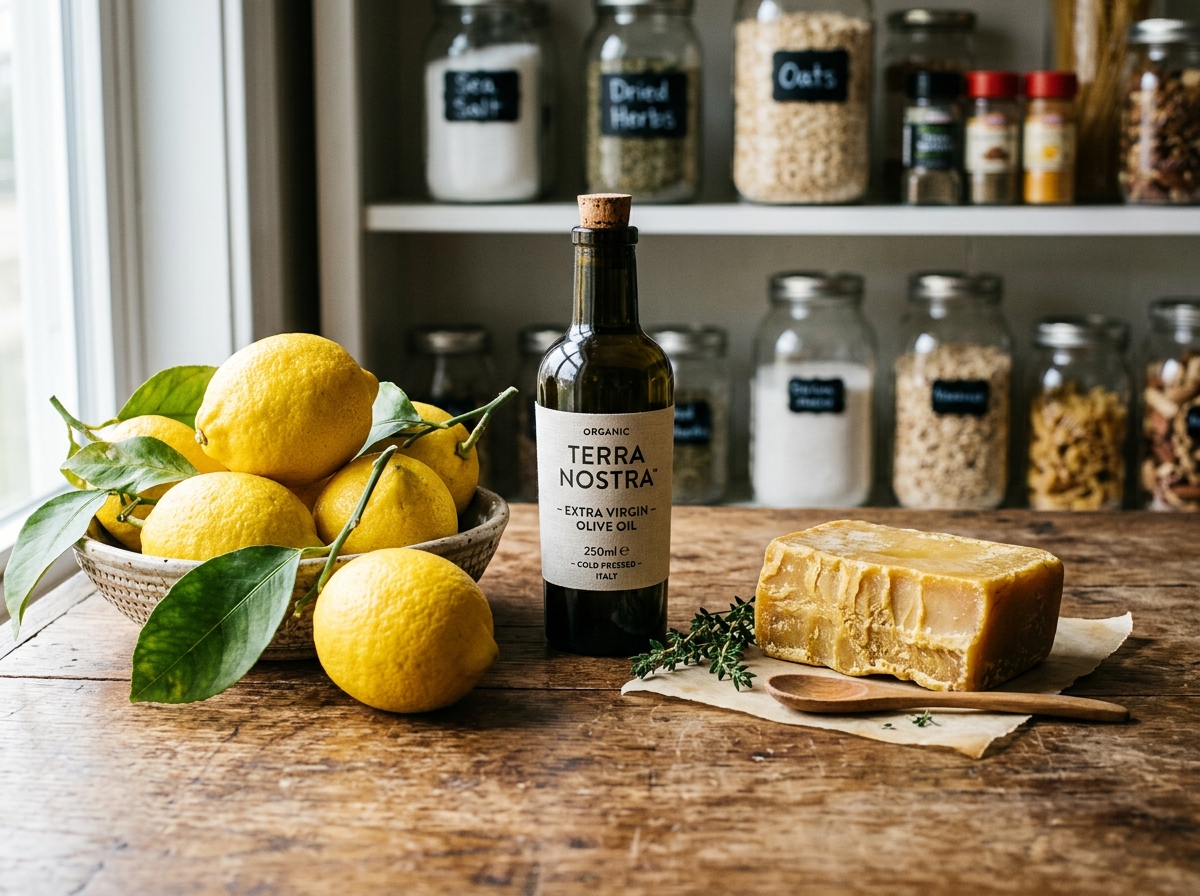
Creating your own natural hardwood floor polish is surprisingly simple. You don’t need a chemistry degree—just a few staples from your pantry. Below is a breakdown of how these ingredients work together to rejuvenate your wood.
| Polish Method | Primary Benefit | Durability | Best Wood Type |
|---|---|---|---|
| Oil & Vinegar | Nourishes and cleans | Medium (1-2 months) | Oak, Walnut, Cherry |
| Beeswax Blend | Water resistance | High (3-6 months) | High-traffic areas |
| Black Tea | Hides scratches | Low (Weekly/Monthly) | Dark stained woods |
| Lemon & Oil | High gloss & scent | Medium (1-2 months) | Light woods (Pine, Maple) |
Understanding The Magic of Vinegar in Homemade Cleaning Products is key here; while it is an acid, when properly diluted and balanced with oil, it acts as a powerful cleaner that cuts through grime without damaging the wood’s integrity.
Vinegar and Oil-Based Natural Hardwood Floor Polish
The most popular DIY recipe involves a 1:1 ratio of white vinegar and vegetable or olive oil. The vinegar acts as the cleaning agent, stripping away surface dirt, while the oil penetrates the wood fibers to provide deep nourishment.
To give your floors an extra boost, try Unlocking the Power of Citrus in Homemade Cleaning Solutions. Adding a squeeze of fresh lemon juice or a few drops of lemon essential oil doesn’t just provide a fresh scent; the citric acid helps break down sticky residues even more effectively.
Recipe:
- 1 part White Vinegar
- 1 part Olive Oil (or Vegetable Oil)
- 15 drops of Lemon Essential Oil (optional)
Beeswax and Plant-Based Wax Recipes
For those seeking a more “professional” finish that mimics commercial carnauba wax products, beeswax is the answer. It creates a physical protective barrier that is more resilient to water spills and foot traffic.
Some traditional recipes suggest melting 1 cup of grated beeswax and mixing it with 1 cup of food-grade linseed oil or even a small amount of turpentine for spreadability. However, for a truly non-toxic home, we recommend sticking to oil-based mixtures. This creates a “hard” finish that can last up to six months, providing a beautiful, low-luster glow that is incredibly durable.
Quick Shine Boosters Using Household Staples
Sometimes you don’t need a full polish; you just need a “pick-me-way.”
- Black Tea: Believe it or not, the tannins in black tea are excellent for dark wood floors. Brew two tea bags in boiling water, let it cool completely, and use it to mop. The tannins help hide micro-scratches and enhance the deep tones of the wood.
- Vegetable Oil: For a quick spot-treatment on a dull patch, a tiny amount of vegetable oil on a soft cloth can work wonders to bring back the shine.
How to Apply Natural Hardwood Floor Polish Safely
Application is where many people go wrong. If you apply too much, you’ll end up with a slippery, sticky mess. If you don’t prep the surface, you’ll just be polishing the dust.
Step 1: Surface Preparation
Before you even think about polishing, the floor must be pristine. Use Your Ultimate Guide to Homemade Wood Wood Floor Cleaner to remove any surface grime. Sweep or vacuum thoroughly to ensure no grit is left behind, as polishing over dirt can actually cause micro-abrasions.
Step 2: Choose the Right Tools
Forget the old-school string mops. For a streak-free finish, use a microfiber mop. We have some great Eco-Friendly Mop and Broom Tips for a Greener Home that explain why microfiber is superior—it holds just the right amount of moisture and distributes the polish evenly without “puddling.”
Step 3: The “S” Pattern and Grain Direction
Always apply your natural hardwood floor polish in the direction of the wood grain. Work in small 3’x3′ sections. Apply the polish in an “S” pattern on the floor and spread it evenly.
Step 4: Testing and Drying
Always test a small, hidden area (like inside a closet) first to ensure the oil doesn’t discolor your specific finish. Once applied, let the floor dry for at least 30 to 60 minutes before walking on it. For beeswax-based polishes, you may need to wait up to 12 hours for the wax to fully cure before heavy traffic.
Step 5: The Final Buff
If the floor looks a bit greasy after drying, take a clean, dry microfiber cloth and do a quick “buff.” This removes excess oil and brings out a high-gloss shine that looks like it was done by a professional.
Maintenance Tips for Long-Lasting Shine
Polishing is only half the battle. To keep that natural hardwood floor polish looking fresh, you need a solid maintenance routine.
- Preventive Measures: Use entrance mats at every door to catch grit before it reaches your wood. Encourage a “shoes-off” policy to prevent heel scuffs and tracked-in debris.
- Furniture Protection: Attach felt pads to the legs of all chairs, tables, and sofas. This prevents the deep gouges that no amount of polish can fix.
- Daily Care: A quick daily dust mop is the best way to maintain shine. For weekly cleans, refer to our Green Cleaning Tips for Floors to keep the surface hygienic without stripping the wax.
- Spill Management: Wood and water are enemies. Wipe up spills immediately. If you’re dealing with a sticky spill, Unveiling the Power of Baking Soda: DIY Cleaning Solutions can help lift the residue without harsh scrubbing.
- Plant Care: If you have indoor plants, ensure they have saucers. Water seeping from a pot can cause permanent “black spots” on hardwood. Check out our guide on Going Green: Homemade Plant-Friendly Cleaning Solutions for more tips on balancing a “jungle” home with beautiful floors.
Frequently Asked Questions about Natural Hardwood Floor Polish
Is natural polish safe for engineered or laminate floors?
Yes, but with caution. Engineered wood has a real wood top layer, so it responds well to oil-based polishes. However, laminate is essentially a photograph of wood under a plastic coating. For laminate, avoid heavy oils which can cause delamination or a “haze.” Instead, use a very diluted vinegar and water solution with just a drop of dish soap to restore shine without the grease. Always avoid overwetting these floors, as moisture can seep into the seams and cause swelling.
How often should I apply a natural hardwood floor polish?
In typical households, every 2 to 4 months is plenty. If you have high-traffic areas (like a hallway or kitchen), you might want to do a “refresh” every 6 weeks. Over-polishing can actually lead to a “waxy buildup” that makes the floor look duller over time. If your floors still have a glow, leave them be!
Can natural ingredients really hide scratches?
To an extent, yes. Oil-based polishes saturate the wood fibers in a scratch, making them darker and less reflective, which “hides” them from the naked eye. Black tea is particularly good for this on dark floors. However, deep gouges that have broken the wood grain cannot be “filled” by natural polish alone—those may eventually require a professional touch or a wood filler.
Conclusion
At MoneyFinPro, we believe that a beautiful home shouldn’t come at the cost of your health or your wallet. Embracing a natural hardwood floor polish is a small change that yields massive rewards: floors that glow with health, a home that smells like fresh lemons rather than chemicals, and the peace of mind that your family is safe.
By utilizing simple pantry staples and following a consistent maintenance routine, you can preserve the longevity of your hardwood for decades. Ready to tackle the rest of your home? Explore our full library of DIY Cleaners to continue your journey toward a greener, cleaner lifestyle. Your floors—and your family—will certainly thank you!
