
How to Mix a Homemade Couch Cleaning Solution That Actually Works
Your Couch Is Dirtier Than You Think — Here’s the Fix
A homemade couch cleaning solution is one of the easiest, cheapest ways to refresh your sofa without calling a professional or buying expensive store products. Most recipes use just 2-3 pantry staples you already own.
Quick answer — the most effective homemade couch cleaning solution for most fabric sofas (W or WS code):
- 1/4 cup white vinegar
- 1 tablespoon clear dish soap
- 2 cups warm water
Mix in a spray bottle. Lightly mist the fabric, blot with a clean microfiber cloth, and air dry for 8-12 hours. Always spot-test first.
Nearly all homeowners deal with mystery smudges, pet odors, and spilled drinks on their couch — yet most put off cleaning it because they worry about damaging the fabric or wasting money on products that don’t work. The good news? Research and real-world testing show that simple pantry ingredients like baking soda, white vinegar, and dish soap can outperform commercial cleaners on heavily soiled upholstery. In one head-to-head test, a DIY hydrogen peroxide and dish soap mix made a dirty dog ottoman look “tons better” than a section cleaned with a leading commercial brand solution — and required less effort.
I’m marlen, and I’ve spent years testing homemade couch cleaning solution recipes on everything from microfiber recliners to velvet ottomans to find what actually works. In this guide, I’ll walk you through exactly what to mix, when to use it, and how to avoid common mistakes that can make stains worse.
Decoding Your Couch: The Secret Language of Upholstery Codes
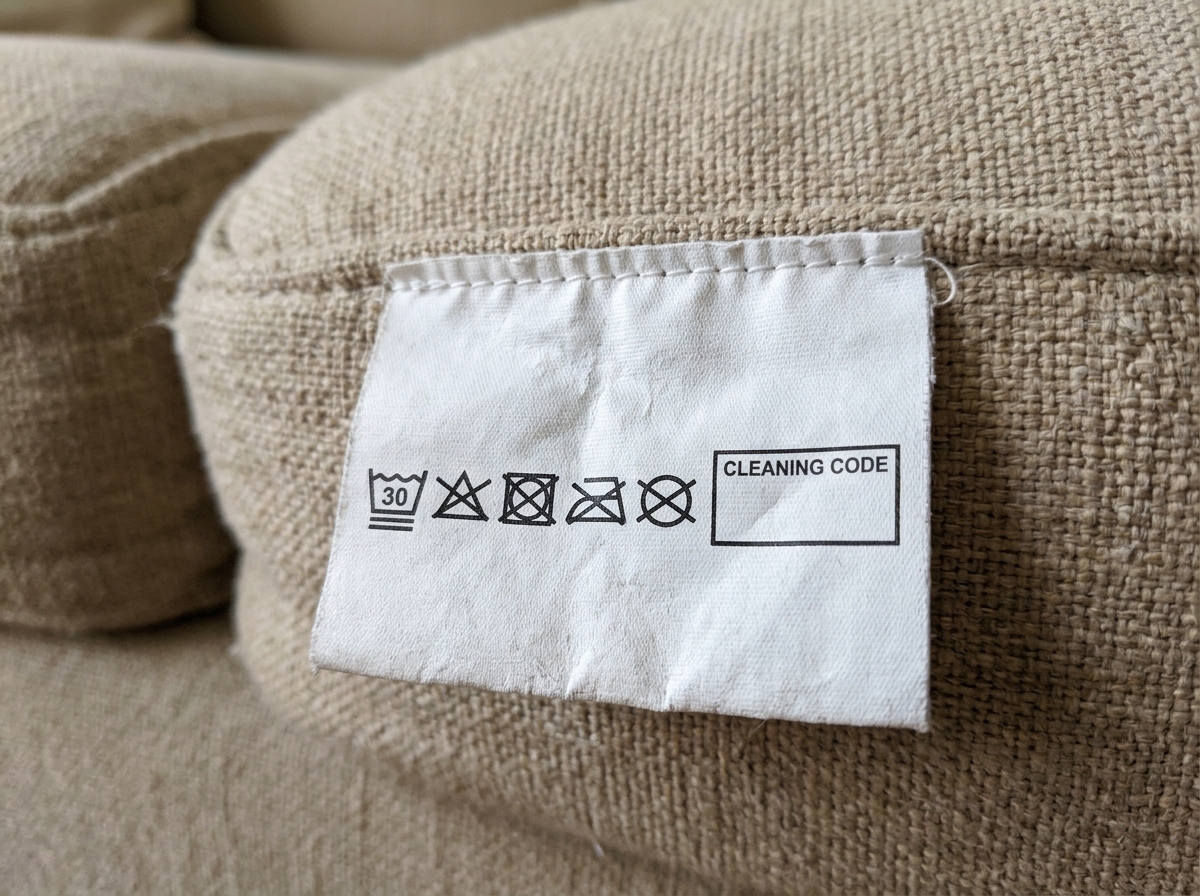
Before we start mixing our homemade couch cleaning solution, we need to talk about that little white tag tucked under your cushions. Ignoring this tag is the fastest way to turn a small stain into a permanent disaster. Think of it as the “instruction manual” for your sofa’s survival.
Most upholstery follows a universal coding system. Here is what those letters actually mean for your DIY project:
- W (Water-based): This is the holy grail of DIY cleaning. You can safely use water-based solutions, including our favorite vinegar and dish soap mixes.
- S (Solvent-based): This fabric is a bit like a “dry clean only” suit. It hates water. Water can leave permanent rings or even shrink the fabric. For these, you’ll need a solvent like rubbing alcohol.
- WS (Water or Solvent): You’ve hit the jackpot. This fabric is durable and can handle almost any homemade couch cleaning solution we throw at it.
- X (Vacuum Only): Stop right there! These fabrics are incredibly delicate (often found on high-end silks or certain antiques). Do not use liquids. Only use a vacuum or a soft brush. If it’s truly filthy, it’s time to call a pro.
Safety First: The Spot Test Even if your tag says “W,” different dyes react differently. We always recommend a spot test on an inconspicuous area—like the back of the couch or the underside of a cushion. Apply your homemade couch cleaning solution, wait 10 minutes, and blot with a white paper towel. If no color transfers to the towel and the fabric doesn’t look distorted once dry, you’re good to go.
The Best Homemade Couch Cleaning Solution Recipes for Every Fabric
We’ve all seen those “miracle” cleaners on social media, but we wanted to know which ones actually hold up to real-world grime. Interestingly, in a reader poll of 247 people, only 3% preferred professional cleaners for their polyester couches—the rest of us are out here doing it ourselves!
When we clean your couch without the chemicals, we aren’t just saving money; we’re creating a safer environment for our pets and kids. Here are the top-performing recipes based on fabric compatibility.
For more variety, check out these 10 natural recipes for your next DIY couch cleaner.
The All-Purpose Vinegar and Dish Soap Homemade Couch Cleaning Solution
This is our “Old Faithful.” It is effective, non-toxic, and works on almost any W-coded fabric, including linen and most synthetic blends.
The Ingredients:
- 1/4 cup distilled white vinegar (the acidity breaks down grease and odors).
- 1 tablespoon clear dish soap (look for one without heavy dyes to avoid staining).
- 2 cups warm water.
Why it works: Vinegar is a natural deodorizer and mild disinfectant. When paired with dish soap, it breaks the surface tension of the dirt, allowing it to be lifted away by your cloth. It’s particularly great for those “mystery smudges” that accumulate on armrests.
A Powerful Baking Soda and Hydrogen Peroxide Homemade Couch Cleaning Solution
If you have a light-colored couch that has seen better days, this is your secret weapon. It acts as a natural brightening agent.
The Ingredients:
- 1 cup hydrogen peroxide (3% concentration).
- 3 tablespoons baking soda.
- A few drops of clear dish soap.
Pro Tip: Hydrogen peroxide can act like a very mild bleach. It is incredible for white or cream-colored microfiber, but use extreme caution on dark fabrics. This solution is what famously outperformed commercial brand cleaners on a heavily soiled dog ottoman. It’s one of the best organic couch cleaner options that actually work for deep-set grime.
Dry Cleaning Solutions for Delicate Fabrics
Sometimes, moisture is the enemy. If you have a velvet or wool sofa, you need to be extra careful. You can find more details in our guide on safe and sound organic cleaners for wool and velvet.
For a “dry” clean at home:
- Baking Soda: Sprinkle a generous layer (about 1/4 inch thick) over the entire couch. Let it sit for at least 30 minutes (or overnight for heavy odors). Vacuum it up with a brush attachment.
- Cornstarch: This is a miracle worker for fresh grease stains. If you dropped a piece of buttery popcorn, cover the spot with cornstarch immediately. Let it sit for an hour to soak up the oil, then vacuum.
Step-by-Step Guide to Deep Cleaning Your Fabric Sofa Naturally
Now that you’ve picked your homemade couch cleaning solution, let’s get to work. Following a specific order prevents you from just moving dirt around.
Step 1: The Great Vacuuming You wouldn’t mop a floor without sweeping first, right? Use the upholstery attachment and the crevice tool to get deep into the “canyon” between the cushions. You’d be surprised how much dust and hair can act as sandpaper, wearing down your fabric over time.
Step 2: Deodorize Before applying any liquid, sprinkle the whole couch with baking soda. This isn’t just an old wives’ tale—baking soda is mildly abrasive and chemically neutralizes acidic odors (like pet smells). Let it sit for 15-20 minutes, then vacuum again.
Step 3: Spot Treat Target the obvious stains first. Use a homemade couch stain remover and apply it with a microfiber cloth.
Step 4: The General Clean Dip a clean microfiber cloth into your homemade couch cleaning solution and wring it out until it is just damp—not dripping. Wipe the couch in small, circular motions. Start at the top and work your way down so any drips are caught as you go.
Step 5: The Blotting Technique This is where most people go wrong. Never rub! Rubbing pushes the dirt deeper into the foam. Instead, use a dry, white towel to blot the area. You want to transfer the moisture (and the dirt) from the couch to the towel.
Step 6: Air Drying Patience is a virtue here. A couch typically takes 8 to 12 hours to air dry. To speed things up, open the windows or point a floor fan directly at the sofa.
For more specific tips, check out how to spot-clean your furniture without harsh chemicals.
Targeted Stain Removal: How to Spot-Treat Common Spills
Not all stains are created equal. A wine spill requires a different strategy than a grease mark from a pizza night. Here is our cheat sheet for using a homemade couch cleaning solution for specific disasters:
| Stain Type | DIY Secret Weapon | The Method |
|---|---|---|
| Pet Urine | Vinegar + Enzyme Cleaner | Blot up as much as possible. Spritz with 1:1 vinegar/water to neutralize. Follow with an enzyme cleaner if the smell persists. |
| Red Wine | Salt + Club Soda | Pour salt on the fresh spill immediately to soak up liquid. Blot with club soda. |
| Grease/Oil | Cornstarch | Cover heavily with cornstarch. Let sit for 1 hour to absorb oil, then vacuum. |
| Ink Marks | Rubbing Alcohol | Dab a cotton ball in 90% rubbing alcohol. Blot (don’t rub!) until the ink lifts. |
| Coffee/Tea | Dish Soap + Vinegar | Mix 1 tbsp soap, 1 tbsp vinegar, and 2 cups water. Blot from the outside in. |
For stubborn spots, a thick paste made of baking soda and a little water can often provide extra lifting power.
Frequently Asked Questions about DIY Upholstery Care
How long does it take for a couch to dry after cleaning?
On average, it takes about 8 to 12 hours for a couch to dry completely. However, this depends on the humidity in your home and how much liquid you used. If you over-saturated the cushions, it could take longer. We always recommend using a floor fan or a ceiling fan to keep air circulating. Never use a hairdryer or a heater, as intense heat can shrink certain synthetic fibers or damage the internal foam.
Can I use a steam cleaner with homemade solutions?
Yes, but only if your couch has a W or WS code. Steam cleaning is fantastic for killing dust mites and bacteria. You can often add a small amount of white vinegar to the water tank of a steam cleaner to boost its deodorizing power. Just be sure to work in small sections and don’t let the steam sit in one spot for too long, as excess moisture can lead to mold or mildew inside the cushions.
When should I call a professional instead of using a DIY method?
While we love a good homemade couch cleaning solution, there are three times you should put down the spray bottle and call the pros:
- The X Code: If your tag has an X, you simply cannot use water or solvents safely at home.
- Antique or Silk Fabrics: These are often too delicate for DIY scrubbing and require specialized “dry” chemicals.
- Severe Pet Saturation: If a pet has “marked” the couch and the liquid has soaked deep into the wooden frame or the thick foam base, a surface clean won’t fix the smell. Professionals have high-powered extraction tools that reach deeper than a microfiber cloth ever could.
Conclusion
At MoneyFinPro, we believe that maintaining a beautiful home shouldn’t cost a fortune. By mixing your own homemade couch cleaning solution, you are taking control of your environment, avoiding harsh chemicals, and extending the life of your favorite piece of furniture.
Whether you’re dealing with a fresh spill or just giving your living room a seasonal refresh, the power of vinegar, baking soda, and a little “elbow grease” is often all you need. Remember to always check your codes, spot test every time, and let that fabric breathe while it dries.
For more tips on keeping your home sparkling without the stress, check out our eco-friendly furniture cleaning guide or explore More info about DIY cleaners. Happy cleaning!
